
Wi-Fi Video Doorbell with Night Vision
AED 441.00
Order now, estimated delivery Wed, 18 Nov – Sat, 21 Nov
Returns accepted within 7 days of delivery; return shipping is paid by the customer.
Open on your phone
Scan this code with your phone camera to open this product.
Prices include 5% VAT. · SKU: FX-E-008
Pick your preferred option and mention it in the order notes or on WhatsApp — we confirm availability before dispatch.
Order now, estimated delivery Wed, 18 Nov – Sat, 21 Nov
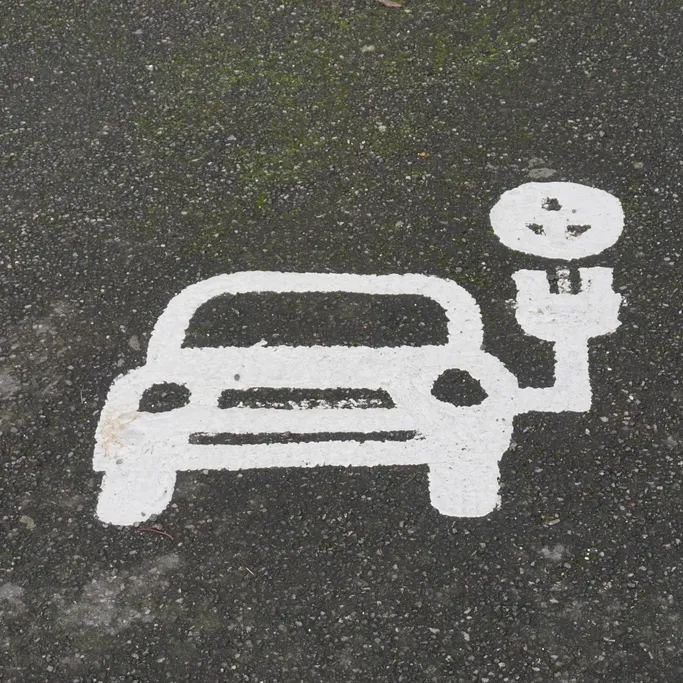
7 kW single-phase Type 2 EV wall charger with tethered cable, Wi-Fi app, scheduling and dynamic load management for UAE villas and private parking.
Ask about this productRequest a quote for this product
7 kW single-phase Type 2 EV wall charger with tethered cable, Wi-Fi app, scheduling and dynamic load management for UAE villas and private parking. A 7 kW EV wall charger lets you charge an electric car at home overnight instead of relying on public chargers.
Last updated:
A 7 kW EV wall charger lets you charge an electric car at home overnight instead of relying on public chargers. This Type 2 home charger runs on a single-phase supply, has a tethered 5 m cable, Wi-Fi app control, charge scheduling and dynamic load management that reduces charging current when the rest of the house is using a lot of power. In the UAE, home EV charger installations usually need approval from the electricity authority and must be installed by an approved contractor, which we explain below.
This guide covers who the EV wall charger is for, full specifications, vehicle and supply compatibility, UAE heat considerations, the general approval and installation process, maintenance, comparisons, indicative 2026 costs and warranty notes.
Electric and plug-in hybrid cars are increasingly common on UAE roads, and most owners do the bulk of their charging at home. A standard 3-pin socket with the car's portable cable is slow and not designed for hours of continuous high current in a hot garage. A dedicated wall charger is safer, faster and can be scheduled for off-peak hours.
At 7 kW, the charger adds roughly 35–45 km of driving range per hour of charging, depending on the car, so most daily commutes from Dubai Hills to DIFC or Mirdif to Dubai Silicon Oasis are covered by a few hours overnight. Main features:
| Item | Specification |
|---|---|
| Rated power | 7.4 kW maximum (32 A, single phase, 230 V) |
| Adjustable current | 6–32 A, set during commissioning to suit your supply |
| Connector | Type 2 (IEC 62196-2), tethered 5 m cable |
| Protection | DC leakage detection, over-current, over-voltage, under-voltage, over-temperature, surge |
| Upstream protection | Dedicated circuit with suitable breaker and residual current device as specified by the installer |
| Connectivity | Wi-Fi 2.4 GHz, Bluetooth for setup, OCPP support for fleet or building software |
| Load management | CT clamp on main incomer, dynamic current adjustment |
| Authorization | App, RFID card, plug-and-charge mode |
| Enclosure | IP65, impact-resistant |
| Operating temperature | High-temperature design with automatic current derating to protect components |
| Dimensions | Compact wall unit with cable holster |
Charging generates heat inside the cable and charger, and UAE garages and carports already get extremely hot in summer. The charger is designed to reduce current automatically when its internal temperature rises, which protects components but can slow charging in the afternoon heat.
An EV charger is a permanent, high-current installation. In Dubai, home EV chargers are generally installed through a process managed by DEWA, which typically involves an application, a DEWA-approved or licensed contractor, and inspection or approval before the charger is energized. Abu Dhabi and the northern emirates have their own utility processes. Requirements, forms and fees change, so check the current process with your utility before purchase. Communities and building owners may also require their own no-objection certificate.
FIXORA Decor coordinates the work with a licensed electrical contractor and typically handles:
A standard villa installation usually takes one working day once approvals are in place. Longer cable runs, trenching to a detached carport or board upgrades take longer.
| Option | Speed (approx. range per hour) | Best for | Limits | Indicative cost (AED) |
|---|---|---|---|---|
| Portable cable on 3-pin socket | 10–15 km | Occasional top-ups, plug-in hybrids | Slow, not designed for daily heavy use | Usually supplied with car |
| This 7 kW wall charger | 35–45 km | Most villas, daily charging | Needs approval and dedicated circuit | 2,450 supply |
| 11–22 kW three-phase charger | 55–110 km (if car supports it) | Villas with three-phase supply, large EVs | Higher cost, needs three-phase capacity | 3,500–6,000 supply |
| Public AC chargers | Similar to home | Apartment residents without home charging | Availability, time spent waiting | Per-kWh tariff |
| Public DC fast chargers | Very fast | Long trips, quick top-ups | Higher per-kWh cost, not for daily use | Per-kWh tariff |
The supply price covers the charger, tethered cable, load-management clamp and two RFID cards, with VAT applied at checkout. Indicative 2026 ranges in Dubai:
These are indicative ranges that depend on supply type, distances, approvals and site conditions, and are confirmed in a written quotation.
The charger carries a manufacturer warranty against defects; the period is on the invoice. Many manufacturers require installation by a qualified contractor and correct commissioning for the warranty to apply, so keep the commissioning report. Damage from incorrect supply, surges, physical impact, vehicles reversing into the unit or cable abuse is generally excluded. Workmanship by FIXORA Decor and our contractor partner is covered under our service terms.
In Dubai, home EV charger installations generally go through DEWA's process with an approved contractor. Check the current requirements and fees with DEWA before you buy; in other emirates, check with the local utility.
It depends on the battery size and state of charge. A typical daily top-up takes a few hours; a full charge of a large battery from low can take most of the night.
Only with the building management's or owners' association's approval and a supply arrangement they accept. Some buildings already offer shared charging.
The load-management clamp reduces charging current when total demand is high, and a survey confirms your supply can handle the charger.
Yes, if the car uses Type 2. The charger supplies only the power the car accepts.
Ready to charge at home? FIXORA Decor handles survey, approvals coordination and installation of EV chargers across the UAE. WhatsApp +971501962136 or request a quotation.
In Dubai, home EV charger installations generally go through DEWA's process with an approved contractor. Check the current requirements and fees with DEWA before you buy; in other emirates, check with the local utility.
It depends on the battery size and state of charge. A typical daily top-up takes a few hours; a full charge of a large battery from low can take most of the night.
Only with the building management's or owners' association's approval and a supply arrangement they accept. Some buildings already offer shared charging.
The load-management clamp reduces charging current when total demand is high, and a survey confirms your supply can handle the charger.
Yes, if the car uses Type 2. The charger supplies only the power the car accepts. Ready to charge at home? FIXORA Decor handles survey, approvals coordination and installation of EV chargers across the UAE. WhatsApp +971501962136 or request a quotation .
No reviews yet. Be the first to share your experience.
No questions yet. Be the first to ask.


We will send you one email if this product becomes cheaper.